Diabetes Pamphlet
Scroll to begin
What Is Diabetes?
Your body runs on glucose. It's the fuel that keeps every cell alive.
But for millions of people, that fuel system is broken.
Diabetes mellitus — a condition where blood glucose levels stay dangerously high because insulin isn't doing its job.
Without glucose entering cells, the body starts burning fat for fuel instead — producing acidic ketone bodies.
If untreated, this leads to diabetic ketoacidosis — which can cause coma or death.
Diabetes is the 7th leading cause of death in the United States.
Adult cases have more than doubled since the 1980s.
Since you started reading, this many people were diagnosed with diabetes:
Type I vs. Type II
Not all diabetes is the same. There are two main types — and they work very differently.
Type 1 is an autoimmune disease. Your immune system attacks the insulin-producing beta cells in your pancreas.
It usually begins in childhood or early adult years. Peak age of diagnosis: 10 years old for Type 1.
Type 1 accounts for only 5–10% of all cases. But these patients need insulin injections for life.
Type 2 is different. Your cells become resistant to insulin — they stop responding to it.
It accounts for 90–95% of all diabetes cases.
Eventually, the insulin-producing cells get exhausted.
Both types are rising in youth. Type 1 incidence increased 2% annually, Type 2 by 5.3% annually among 10–19 year olds.
The increases are highest among racial and ethnic minority youth — Asian/Pacific Islander, Hispanic, and non-Hispanic Black children.
There's also prediabetes — blood glucose higher than normal but not yet diabetes. It's a warning sign that heart disease and other complications can already begin.
How Diabetes Develops
Let's follow what happens in your body when you eat a meal heavy in added sugar.
Sugar hits your bloodstream. Your pancreas releases insulin to help cells absorb glucose.
In a healthy body, this works smoothly. Glucose enters cells, blood sugar normalizes.
But when you regularly eat too much sugar, are physically inactive, or carry excess weight — cells start ignoring insulin.
Obesity and overweight are strong risk factors. US overweight prevalence: 31.1%. Obesity: 42.5%.
People 45 and older, or those with risk factors, should be tested regularly.
But testing rates are low. Only about 33% of eligible adults received proper blood glucose testing within 3 years.
Even with broader test definitions, at least 1 in 4 adults with overweight or obesity went untested.
The USPSTF has been expanding screening guidelines — lowering the recommended starting age from 40 to 35 in 2021.
Adults aware of having prediabetes were more than twice as likely to pursue lifestyle changes. Screening saves lives.
Treatments for Diabetes
The central goal of diabetes management is blood glucose control. Everything revolves around this.
And the most powerful tool? Your plate.
A well-balanced diet includes high-fiber carbs from whole grains, fruits, and vegetables.
Low-fat milk for calcium. Lean proteins like chicken, fish, and legumes.
Unsaturated fats — olive oil, nuts, avocado.
Why fiber matters: it slows digestion and glucose absorption, preventing blood sugar spikes.
Physical exercise is just as important — it helps cells use insulin more effectively.
Depending on the type and progression, insulin injections or medication may be required.
Risks & Prevention
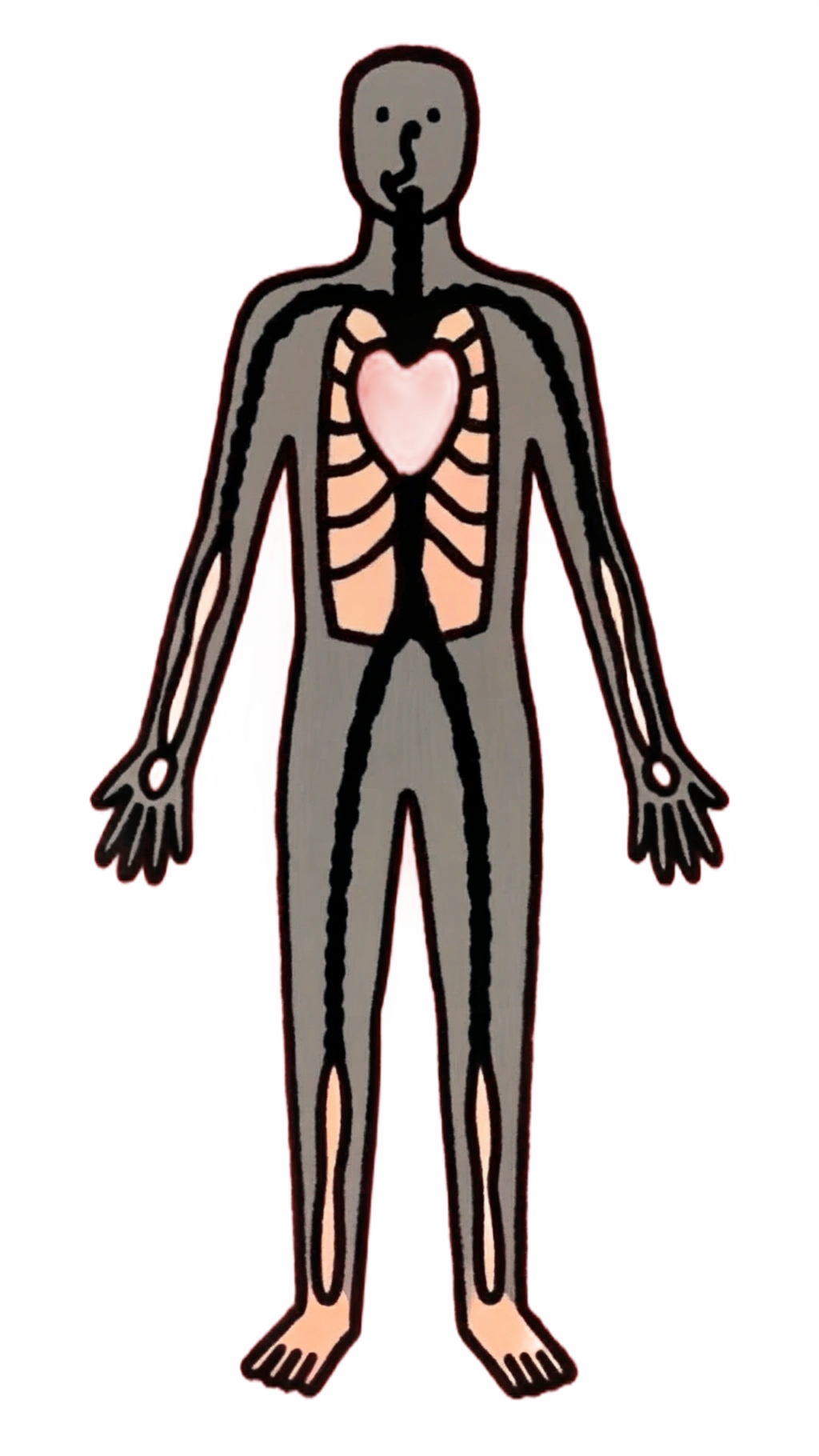
High blood glucose doesn't just make you feel bad. Over time, it destroys your body.
Nerve damage and numbness — especially in your hands and feet. It's called neuropathy, and it's one of the most common complications.
Poor circulation leading to infections, and in severe cases, amputation.
Globally, there are about 95 major and 140 minor diabetes-related amputations per 100,000 patients annually. Men are disproportionately affected — roughly 2x the rate of women.
Eye damage and blindness. Diabetic retinopathy damages the blood vessels in your retina — and it can happen without any early symptoms.
Tooth and gum problems. High blood sugar feeds bacteria in your mouth, leading to periodontal disease and tooth loss.
Kidney damage — sustained high blood glucose gradually destroys the delicate filtering structures in your kidneys.
Increased risk of heart disease. Chronically high blood glucose damages blood vessels, raising your risk of cardiovascular disease.
And diabetic ketoacidosis — when it all spirals out of control. Your body can't use glucose, so it breaks down fat, flooding your blood with toxic ketones.
Low blood sugar is dangerous too. Below 70 mg/dL: hunger, shakiness, dizziness. It can cause fainting or coma. Try the slider to explore the zones.
But type 2 diabetes is preventable. Lose excess weight. Exercise more. Limit sugary drinks. Eat a heart-healthy, plant-based diet. Your choices matter.
Living with Diabetes
Living with diabetes isn't about deprivation — it's about balance.
Eat regularly to balance the effects of insulin or medication and avoid hypoglycemia. Consistent meal timing keeps your glucose stable throughout the day.
Focus on high-fiber carbs, lean proteins, unsaturated fats, and low-fat milk. You already know what a good plate looks like.
Stay physically active — it's one of the most effective tools for glucose control. Even a short walk after a meal makes a measurable difference.
Monitor blood glucose consistently. Control is the central goal. Try toggling the scenarios above to see how daily choices shift your glucose curve.
You now know more about diabetes than most people. Share what you've learned.